
"African coffee history"
1000 article(s) found

Introduction to the aromatic and mellow Ethiopian Sidamo Chiso Coffee Flavor Manor
Ethiopia is rectangular, with a ratio of length to width of 3:2. From top to bottom, it is composed of green, yellow and red parallel equal horizontal rectangles, with the national emblem in the middle of the flag. Since the end of the 19th century, Ethiopia began to use the green, yellow and red cross-striped national flag. In modern history, Ethiopia is the first African country to join the forest of free nations. [8] to this century

Flavor description of Coffee beans in Sidamotad Manor, Ethiopia
There are mainly mountain plateaus in Ethiopia, and the central and western regions are the main part of the plateau, accounting for 2% of the whole territory. The East African Rift Valley runs through the whole territory, with an average elevation of nearly 3000 meters, which is known as the roof of Africa. The terrain around the plateau is gradually declining. The Darol depression in the north fell to 113 meters below sea level, the lowest point in the country. A narrow banded plain along the coast of the Red Sea

African Coffee Manor Robusta Coffee beans: Uganda Coffee Raw Bean Uganda BugisuAA
CONTENT the Ugandan coffee industry is one of the pillar industries of its exports. Uganda is the birthplace of Robsta in Africa, just as Ethiopia is the origin of Arabica coffee, while Robster coffee was first discovered in Uganda. So far, Uganda has a history of growing coffee for more than 100 years. The output ranks second in Africa, after Ethiopia. Meanwhile, Uganda is also

A brief introduction to the History and Culture of the Origin and Development of Ugandan Fine Coffee beans
Uganda Organic Bugisu producing country: Uganda Grade: HB growing area: Elgon, Mbalai Brand: organic Bugisu treatment method: wet treatment appearance: 1.8dBash 300grgrgrere 16-18SCR Variety: unknown later when steamships replaced sailboats, people drank relatively fresh coffee beans due to shorter shipping time. But people who are used to drinking Chen Dou are not used to it.

Description of the Flavor of the Historical Variety treatment method of Rwandan Coffee beans
Professional baristas please follow the coffee workshop (Wechat official account cafe_style) Rwanda (Rwanda), known as Land of a Thousand Hills, is located on the equator and is surrounded by East African States such as Congo, Uganda, Tanzania and Burundi. Geographically, it has suitable conditions for growing coffee, but it has been introduced by German missionaries since 1904.

Slightly fermented fruity sun Xidamo Xia Chiso Coffee growing area Flavor Manor
The plug is rectangular and the ratio of length to width is 3:2. From top to bottom, it is composed of green, yellow and red parallel equal horizontal rectangles, with the national emblem in the middle of the flag. Since the end of the 19th century, Ethiopia began to use the green, yellow and red cross-striped national flag. In modern history, Ethiopia is the first African country to join the forest of free nations. [8] by the fifth of this century

How's the coffee from Rwanda? What kind of seed do you grow? What's the difference between washing and insolation?
How's the coffee from Rwanda? What kind of seed do you grow? What's the difference between washing and tanning? Rwandan coffee is the most popular African coffee after Kenya and Ethiopia. But unlike the two famous countries, it does not have a long history of planting, let alone native varieties everywhere in the wild. This small African country is a fire Phoenix that has been reborn after robbery. Rwanda (Rwanda)

The journey of coffee from Africa to China
Coffee originated in Africa and little is known about it. In fact, Africa Ethiopia is the hometown of coffee, producing the best Arabian coffee in the world. Soil, weather conditions and an altitude of more than 2000 meters above sea level have made many countries in Africa create an ideal scene for the growth of coffee. At present, coffee production in Africa accounts for about 13% of the world's total output, and coffee income is part of Africa.

Rwanda coffee African Rwanda coffee beans Rwanda coffee beans taste clean and bright
Professional Coffee knowledge Exchange more information on coffee beans Please follow the coffee workshop (Wechat official account cafe_style) Front Street-Rwanda Coffee introduction to Africa Rwanda seems to be relatively unheard of in the coffee world and has one of the most tragic coffee histories in East Africa. The story is that, after the tragic genocidal civil war of the 1990s, it is a producer of high-quality coffee.

A brief introduction to the Origin, Development, History and Culture of Ugandan Fine Coffee beans with unique charm
Later, when the ship replaced the sailboat, due to the shortened delivery time, people drank relatively fresh coffee beans. But people who are used to drinking Chen beans are not used to the fresh taste, so they desperately pursue old Java coffee, so that the Indonesian government and some businessmen deliberately store fresh beans in warehouses for one or two years and then sell them to consumers. In fact, compared with fresh beans, aged beans

Introduction to the growing environment of Yega Xuefei Adoto coffee with excellent taste
Ethiopia is rectangular, with a ratio of length to width of 3:2. From top to bottom, it is composed of green, yellow and red parallel equal horizontal rectangles, with the national emblem in the middle of the flag. Since the end of the 19th century, Ethiopia began to use the green, yellow and red cross-striped national flag. In modern history, Ethiopia is the first African country to join the forest of free nations. [8] to this century

How about African coffee Kenyan Sassini AB TOP coffee? Kenya Sassini AB T
For more information on coffee beans, please follow the coffee workshop (Wechat official account cafe_style) Kenya is located in Ethiopia and southern Yemen, only a few hundred kilometers away from the coffee-producing countries of the two worlds, but the history of coffee cultivation in Kenya is far inferior to that of these two countries, until the end of the 19th century, it was brought by missionaries to Kenya, Germany and Britain.

Why coffee is popular all over the world
Why choose coffee? Coffee has a history of more than two hundred years. Europeans arrived on the African continent and learned about a local plant called coffee beans. They ground it into powder and drank it with water. In today's society, the industrialization process is accelerating, and the information society has brought earth-shaking changes to human life. Everyone has his own preferences, and most of these preferences want to increase.

African Kenyan Coffee AA grading system Kenyan Coffee producing area Flavor
Professional coffee knowledge exchange more coffee bean information please follow the coffee workshop (Wechat official account cafe_style) front street-Kenya coffee grading system, a brief introduction to the development history of coffee has been recorded as early as the 8th century AD, coffee shops were also popular in the 17th century, while its neighboring countries
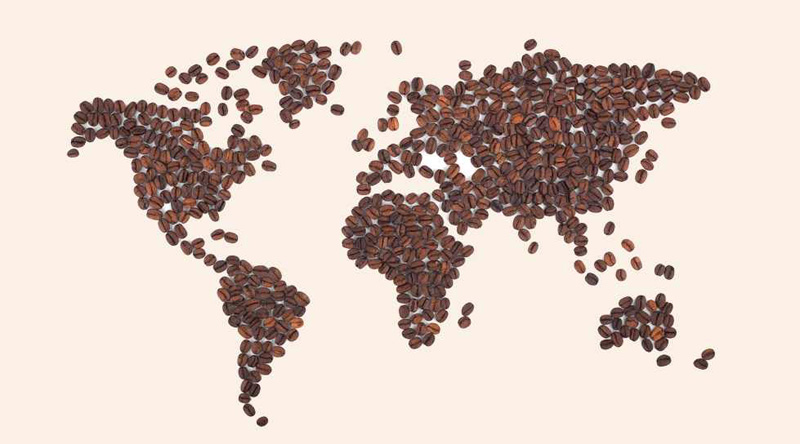
Why is coffee popular all over the world?
Why choose coffee? Coffee has a history of more than 200 years. Europeans arrived on the African continent to learn about a local plant called coffee beans, grind it into powder and drink it with water. In today's society, the process of industrialization is accelerating, and the information society has brought earth-shaking changes to human life. Everyone has their own preferences, and most of these preferences want people to increase.

Why Coffee is popular all over the World
Why choose coffee? Coffee has a history of more than 200 years. Europeans arrived on the African continent to learn about a local plant called coffee beans, grind it into powder and drink it with water. In today's society, the process of industrialization is accelerating, and the information society has brought earth-shaking changes to human life. Everyone has their own preferences, and most of these preferences want people to increase.

A brief introduction to the History and Culture of the Origin and Development of Rwanda Fine Coffee beans with long-lasting aroma
Most of the coffee in Rwanda is washed. The water washing method will first wash and flotation the ripe coffee fruit, then remove the exocarp, pulp and part of the pectin layer, then send the coffee into the fermentation tank, remove the remaining pectin layer and then send it to the drying ground for drying treatment, so that the water content reaches about 13%. The coffee in the picture above is placed in an African shed to dry.

A brief introduction to the history and culture of the origin and development of plain and mild Ugandan boutique coffee beans
Uganda is the country of origin of coffee grown in Robusta, but commercial cultivation of Arabica species here did not begin until early 1900. Today, there are still a large number of wild robusta coffee trees in Uganda, which is rare in cities in the world. As a landlocked country, the large coffee cultivation in Uganda is often interplanted, where coffee trees are mixed with food crops and rubber trees.

The inheritance of coffee the development history of coffee beans in the world
The world's first bag of coffee beans slowly left the African continent in the 6th century AD and developed for thousands of years. In 1530, the first coffee shop appeared in Damascus, north of the Ottoman Turkish Empire, and the word coffee appeared in British newspapers in 1601. For more than a thousand years, coffee trees have blossomed everywhere in the most livable land in the world, and finally formed major producing areas. At present

How African Coffee Beans Were Accepted by European Civilization
Balzac carried a coffee-pot with him, and with the aid of this drink he was able to write for twelve hours a day; Beethoven must have consumed no less than sixty grams of coffee beans per cup of coffee, or he would have been furious; Voltaire is said to have drunk fifty cups of coffee a day, and no other drink has played such an important role in the history of human civilization